








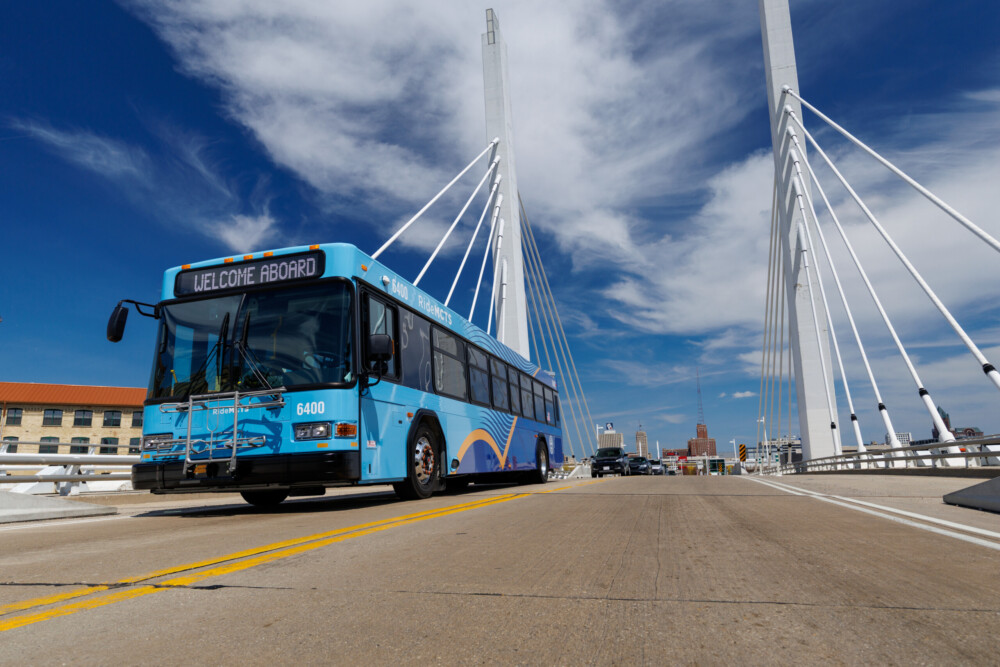
MILWAUKEE, Wis. – Milwaukee County Transit System officials estimate it will cost nearly 3 million dollars to implement elements new fare evasion strategy as the system continues dealing with passengers riding buses without paying.
According to a report filed August 14 by interim MCTS President and CEO Sandra Kellner and interim Milwaukee County Department of Transportation director John Rodgers, around one third of riders across the system are currently not paying fares to ride the bus. That figure jumps to around 43 percent of rides on the CONNECT1 Bus Rapid Transit line as of last May, according to the report.
These numbers reflect an increase in the practice compared to 2024; earlier this year, MCTS reported to the County Committee on Transportation and Transit that 2024 fare evasion reduced MCTS revenues by approximately $4 million, with a system-wide evasion rate of 25%.
PREVIOUS COVERAGE: Fare evasion costing MCTS millions; Supervisors demand action plan
MCTS’s current policy on fare enforcement dates back to 2022, and was implemented as a way to lessen confrontations with unruly passengers. In December of that year, MCTS changed the fare request policy from “ask for fare once”, to no longer ask for fare. Now, the policy requires bus operators to log non-payment of fare on their console via pressing a button. MCTS reported in the year following the change, the system experienced a 42% decrease in physical assaults on bus operators. But the issue remains a sticking point for the Amalgamated Transit Union Local 998, which is currently negotiating with MCTS for a new contract.
RELATED: MCTS driver assaulted on the job as union calls for increased security
The fare compliance rollout will include additional uniformed security staff at problematic fare evasion bus stops, the return of fare ambassadors, new onboard fare validation equipment and potentially opening eligibility for reduced fares to riders who may be currently evading paying due to limited means. While a cost estimate on the reduced fair review is unknown, the other three would cost $1.1 million, $1.2 million and $302,000 respectively.
Other elements of the rollout include a new public education campaign on fare payment and offering additional fare payment methods including Apple and Google pay, debit and credit cards. Audio and visual messaging aboard MCTS buses regarding fare evasion has already rolled out, and new payment methods are expected to be implemented by the first quarter of 2026. Both elements are expected to be cost neutral to MCTS, according to the August 14 report.
MCTS says their aim is to reduce fare evasion to 30% system-wide by September of 2026. Kellner and Rodgers estimate that reduction would to bring in $900,000 additional revenue annually.
The program’s long-term future will be in the hands of incoming President and CEO Steve Fuentes, who MCTS announced July 15 would take over the position. Fuentes heads to MCTS after a 31-year career with the Chicago Transit Authority (CTA), where he currently serves as a Regional General Manager.