
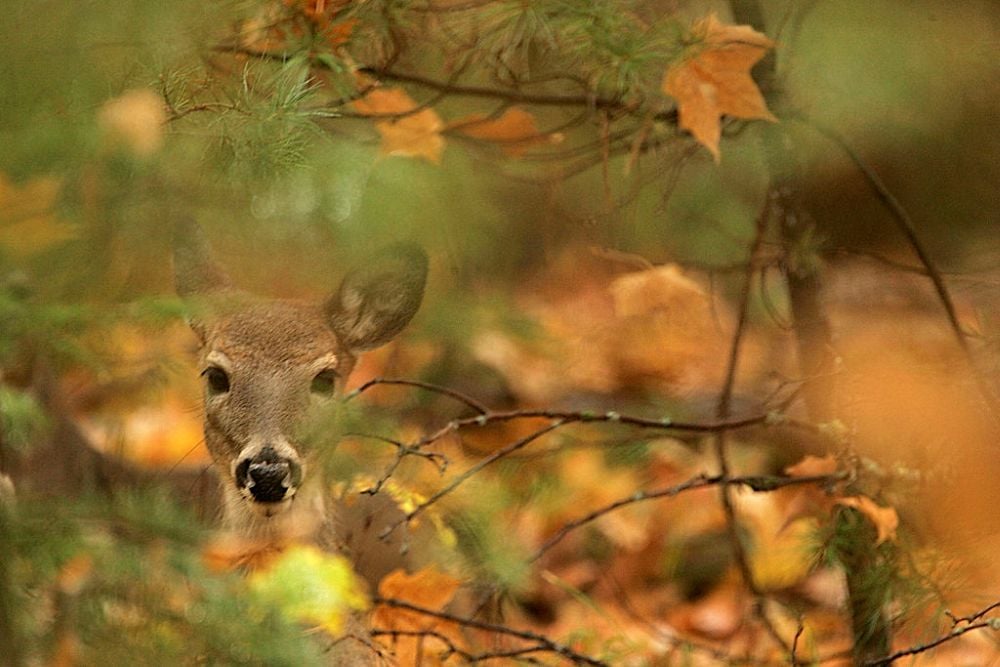
MADISON, Wis. — Wildlife officials say the state is experiencing its largest outbreak on record of a deadly disease affecting white-tailed deer, with thousands of suspected cases reported across southeast Wisconsin.
The Wisconsin Department of Natural Resources (DNR) confirmed during an October 12 Deer Advisory Committee meeting that Epizootic Hemorrhagic Disease (EHD) has been detected in wild deer in Fond du Lac, Sheboygan, Washington and Waukesha counties.
Preliminary map of suspect EHD locations [PDF] as of Oct. 12 from DNR:
- Dodge County: around 150
- Fond du Lac: less than 10
- Jefferson County: around 50
- Milwaukee County: around 35
- Ozaukee County: around 140
- Sheboygan County: around 20
- Washington County: just over 1,300
- Waukesha County: just over 600
DNR deer herd health specialist Erin Larson says the outbreak was first identified in late July, when several dead deer were discovered in the Richfield and Hubertus area of Washington County.
The disease is spread by small biting insects known as midges and can cause deer to die rapidly after becoming infected.
Despite the growing number of reports, Larson says there are signs the outbreak may be slowing.
“We have seen a slowdown in our reports from Washington County for sure,” Larson told the committee.
Wildlife officials hope cooler fall temperatures will help bring the outbreak to an end by reducing the population of insects responsible for spreading the virus.
DNR deer researcher Dan Storm says the department is also working to determine how the outbreak could affect deer populations and future hunting seasons.
“What we’re trying to do now is come up with a plan to assess the population impact,” Storm said.
Storm noted that deer populations in other states have recovered following significant EHD outbreaks, although the long-term impact in Wisconsin remains uncertain.
The DNR emphasizes that reported cases are considered suspected infections unless confirmed through laboratory testing. The number of reports does not necessarily reflect the total number of deer killed by the disease.
Officials say EHD does not pose a health risk to humans, including through contact with infected deer or consumption of venison.
The DNR continues to collect reports of sick or dead deer and is prioritizing testing in areas where the disease has not yet been confirmed.