
Most drivers check their mirrors every time they get behind the wheel. But when was the last time you checked whether those mirrors were actually set correctly?
For this month’s Drivers Ed with Debbie, Just Drive franchisee Eli Bretl says reducing blind spots starts before the car ever leaves the driveway. The rearview mirror is the easy one.
“With the rear view mirror, it’s very straightforward. You want to be able to see as much of the rear windshield as possible,” Bretl says. “The easiest way to do that is just line up that rear view mirror inside your vehicle with the rear windshield in the center of it.”
Side mirrors take a little more thought.
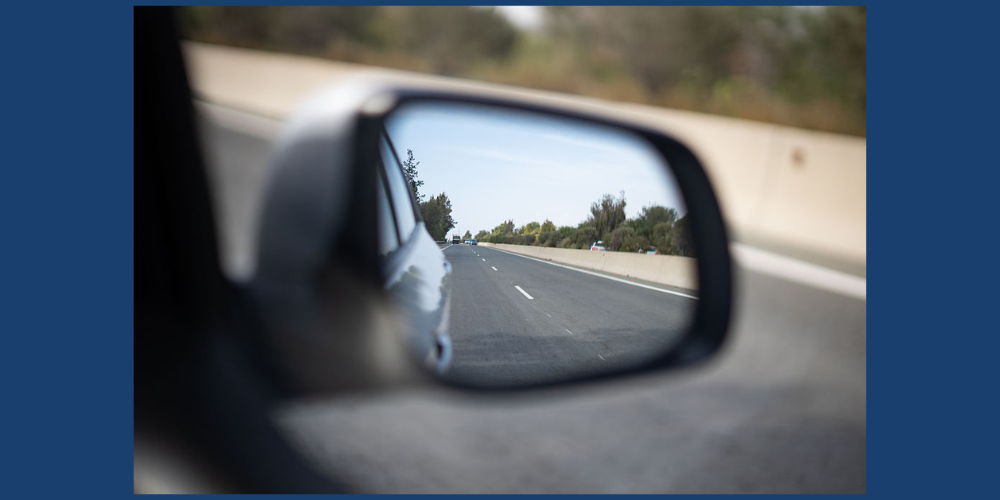
Bretl says a good setup is one where the driver leans slightly back and toward the mirror being adjusted, then barely sees the side and rear corner of the vehicle.
“That means when you’re sitting in your normal driving position with your head against that headrest, you probably will not see very much, if any of your vehicle in those side mirrors,” Bretl says. “But when you’re doing a little bit of leaning, you’re doing a little bit of checking, you’re still going to be able to see a little bit of that side of the vehicle.”
In other words, if your side mirrors are mostly giving you a lovely view of your own doors, they may not be doing their full job.
Bretl says blind spots can vary from one vehicle to another, whether someone is driving a small car, an SUV or a pickup truck. Window placement matters. Vehicle size matters. But he says there is another piece many drivers forget: the seat.
“No matter what vehicle you’re driving, you can always help yourself to be able to see more clearly by making sure that seat is set up correctly before even looking at the mirrors,” Bretl says.
Once the seat and mirrors are set, Bretl says Just Drive instructors teach a simple lane-change routine.
“We have a very common phrase we use in our vehicles, and that’s blinker, mirror, mirror, blind spot,” Bretl says. “So we always want them to turn on the blinker, check the inside rear view mirror, check the side mirror the way they’re turning, and then physically turn that head over that shoulder to check the blind spot the way that they’re turning.”
That last part still matters, even in newer vehicles with blind-spot monitoring, lane-keeping assist and other driver-assist technology.
Bretl says some newer vehicles in the Just Drive fleet have those features, but he turns them off in his driver’s education vehicles.
“I think they’re all great tools,” Bretl says. “I lump them in with stuff like cruise control. They’re great tools. They can help you be a safer driver. But I think it’s very important when you’re first starting out to learn how to drive without relying on that stuff before you really use it as an aid and you never should fully rely on it.”
That same thinking applies to backup cameras and mirrors. They help, but they do not show everything.
“The mirrors show you a part of the picture, but you can never fully see that you’re clear without turning and looking,” Bretl says.
For drivers who want to see where their own blind spots are, Bretl suggests a simple test in the driveway or a parking lot.
First, set the mirrors the way they would be while driving. Then have a passenger, parent, instructor or friend stand behind the vehicle and off to the side where the driver can still see them in the mirror. The person outside the car should slowly walk toward the front of the vehicle. The driver calls out when that person disappears from view.
That spot, Bretl says, helps show exactly where the blind spot is.
“Then they can turn, look over their shoulder and they can see exactly where that blind spot is,” Bretl says. “So they can then adjust the mirrors a little bit accordingly if they need to see a little bit better into that blind spot with the mirrors.”
Drivers may also use mirror extenders or small stick-on convex mirrors to widen the view, but Bretl says they are not a replacement for the basics.
“There really is no substitute for just the regular old mirror and making sure that you’re checking the blind spot in addition to using those mirrors,” Bretl says.
And with summer bringing more bikes, e-bikes and scooters onto Wisconsin roads, Bretl says the habit matters even more.
“No matter where you set the mirrors, your mirrors show you what’s going on behind you,” Bretl says. “You don’t know what’s going on the sides of you without turning your head and checking those blind spots.”
He says drivers should use the same habits whether they are in traffic, in the country or in what looks like an empty parking lot.
“You want to be driving the same way, whether it’s busy or not,” Bretl says. “So check those mirrors, check those blind spots, especially when we’re getting into summer. There’s going to be people out on bikes. You see all sorts of kids riding around on e-bikes and e-scooters and stuff like that that might not know the rules of the road, might not be paying attention. So very important to keep an eye out for all that stuff.”
And if Bretl could get every driver to start one habit immediately, it is not complicated.
“Put the dang phone down,” Bretl says.
He says he often sees drivers moving slowly, weaving in and out of their lane or making mistakes during lessons.
“I’ll always point out to the kids, I guarantee you this person is on their phone,” Bretl says. “And sure enough, we’ll get up next to them at a light or a stop sign and they’ll be looking down at their phone, not a care in the world.”
For Bretl, mirror setup, blind-spot checks and putting the phone away all come back to the same basic idea: drivers need to know what is happening around the whole vehicle, not just what is directly in front of them.
Just Drive offers a sound education that consists of the foundational skills that students need to become smart drivers that make smart decisions. Click here for more information.