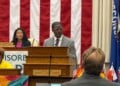

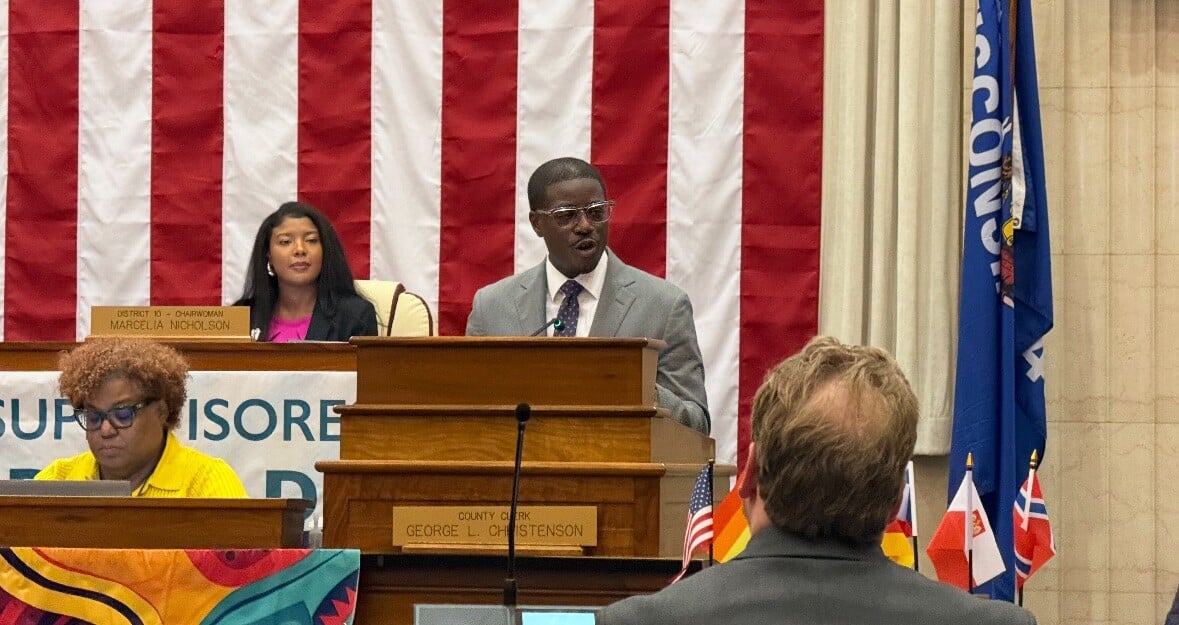
MILWAUKEE, Wis. — Milwaukee County Executive David Crowley proposes a $1.5 billion 2027 budget that includes a 6% increase in overall spending, aims to close a $50 million projected gap, and would raise the County property tax levy by 2.6%.
The proposal shared by Crowley to the county Board of Supervisors October 1 also includes a familiar balancing act between paying for mandated County services and attempting to maintain other non-mandated offerings.
“This budget has been built during a moment in our county’s history that demands tough decisions and a clear view of what our residents need,” said Crowley. “Despite all of these challenges, my priorities have not changed: I am committed to protecting the services our residents rely on every day.”
The county share of property taxes on a $250,000 home is projected to decrease around $30 in 2027, while the tax rate to property owners drop to $2.79 per $1,000 in a property’s value, according to the County budget office.
Crowley’s 2027 proposal comes both as he runs for governor on the Democratic ticket against Republican Congressman Tom Tiffany, and amid the lingering shadow of pension obligations which have had a major impact on the County’s tax levy over the years.
In a statement, the Tiffany campaign criticized the tax levy increase amid the projected $50 million gap.
“Crowley wants Wisconsin taxpayers to trust him with the state budget when his own county continues to spend more, tax more, and run the largest deficit of any county in Wisconsin. Wisconsin cannot afford David Crowley’s tax-and-spend record statewide,” said the Tiffany campaign.
Crowley once again praised the dollars the County obtains through Wisconsin Act 12, which increased shared revenue amounts received by the state’s counties and allowed for a 0.5% increase to the Milwaukee County sales tax. Crowley says an expected 3.5% boost in sales tax revenue to the tune of 202 million dollars in 2027 will help, but added Act 12 funding faces challenges presented by rising inflation and increasingly expensive state-mandated services.
The first half of the budget address focused heavily on the future of the Milwaukee County Transit System. MCTS, which last year revealed a roughly $11 million budget deficit to the surprise of County leaders, is now projecting a $17 to $20 million deficit in 2027 and is also currently amidst a planned redesign of the bus network.
Crowley is proposing a $12.1 million draw from the County’s $149 million debt reserve in a hope to maintain current operations along with the paratransit network. Coupled with other draws amounting to $20.6 million, the county would have $127 million left in reserve funding. The County Executive emphasized the draw was not a long-term fix for MCTS, stressing a continued desire to see added funding from the state.
“While we pursue those longer-term fixes, we can’t let riders bear the cost of delay. Essential transportation services have to keep running while these solutions take shape,” said Crowley.
The MCTS allotments received praise from system president and CEO Steve Fuentes as well as Milwaukee County Department of Transportation Executive Director.
“The County Executive’s leadership on this issue is key as we fight for a stable, sustainable transit system that supports the people and businesses in our region,” said Fuentes in a statement.
“The County Executive is a champion of public transit, and the funding proposed in this budget demonstrates his commitment to protecting and strengthening the services that keep our community moving,” added Lamers in his own statement.
A new paid parking pilot program at high-demand locations such as the lakefront is also included in the proposal. Crowley says the pilot is projected to generate approximately $670,000 in new revenue for the parks department; the budget office estimates the program would charge at least $2 for a two hour parking period.
Milwaukee County parks have long suffered from a growing backlog of deferred maintenance projects; while the proposal includes a $5 million contribution to the rehabilitation of the Mitchell Park Domes’ six-year, $30 million improvements, it also warns that without the paid parking pilot at least one pool and 15 splash pads could close in addition to a $300,000 drop in seasonal staffing spending.
Crowley’s budget would also not include funding for Flock automated license plate reader cameras. The technology used by law enforcement across the country has come under increasing scrutiny from members of the public over privacy concerns. Crowley issued a directive to County departments and the Milwaukee County Sheriff’s Office September 1 to limit Flock camera operations on county property, and earlier this week a committee advanced a plan to remove the cameras from county parks and replace them with traditional security cameras.
“I recognize the value this technology can offer our public safety partners, but the concerns for residents’ constitutional rights must take precedence,” said Crowley.
The budget also continues funding the County Courthouse project with $15.8 million in continued capital spending.
The next phase in the budget process begins October 12, when the finance committee will start reviewing the entire proposal. Departmental briefings begin that week, which also includes a public hearing hosted by the finance committee October 14. The committee will consider supervisors’ budget amendments October 22 and 23. The county board will then hold its Annual Public Hearing on the recommended budget October 26 at the Milwaukee Art Museum, before the final vote by the board November 5.
TOP STORIES FROM THE WTMJ NEWSROOM:
- Wisconsin students show modest gains in literacy, math on state tests
- NLDS preview: Brewers host Padres after Wild Card win over Cubs
- Milwaukee Police shoot a 17-year-old allegedly carrying a rifle
- New Marquette Law School Poll shows tight race for Wisconsin Governor
- Turner Classic Movies to feature the Oriental Theatre