
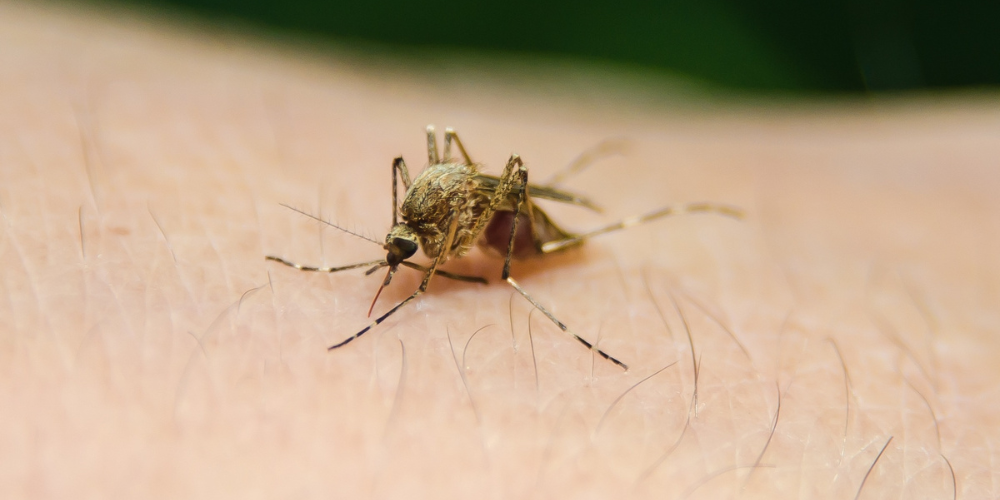
MILWAUKEE— Wisconsin health officials have confirmed the first West Nile virus activity of 2026 after mosquitoes collected in Milwaukee County tested positive for the virus.
The Wisconsin Department of Health Services also confirmed a wild bird in Bayfield County tested positive. Officials say the findings mean infected mosquitoes are now present in Wisconsin and can spread the virus to people and animals. No human cases have been reported in the state so far this year.
“Monitoring mosquitoes and birds for West Nile virus helps public health experts understand when and where the virus is active, so that we can give timely information to communities across the state,” said Paula Tran, state health officer and administrator of the Division of Public Health. “These first detections of West Nile virus this year serve as a reminder to take simple steps that can protect you and your family against possible illness.”
West Nile virus is spread through the bite of an infected mosquito. Mosquitoes become infected after feeding on infected birds. The virus is not spread from person to person or directly between animals. DHS says an average of 19 cases of WNV illness are reported among Wisconsin residents each year.
The City of Milwaukee Health Department said the positive mosquito samples serve as an important reminder to take precautions during peak mosquito season. Officials encourage residents to use insect repellent, wear long sleeves and pants when spending time outdoors, and eliminate standing water around homes where mosquitoes can breed.
“The detection of West Nile virus in Milwaukee mosquitoes is an important reminder that mosquito season is here, and residents should take simple steps to protect themselves and their families,” said Milwaukee Commissioner of Health, Mike Totoraitis, PhD. “Using insect repellent, limiting exposure during peak mosquito activity and removing standing water around your home can all help reduce your risk.”
Most people infected with West Nile virus never develop symptoms. Those who do may experience fever, chills, headache, muscle aches, fatigue or a rash. In more serious cases, the virus can cause high fever, muscle weakness, confusion, seizures or paralysis. Older adults and people with weakened immune systems are at greater risk of severe illness.
State health officials say the risk of West Nile virus will continue through the summer and into the fall until the first hard frost. DHS has monitored the virus in Wisconsin since 2001, with an average of about 19 human cases reported each year. Most illnesses occur in August and September.