
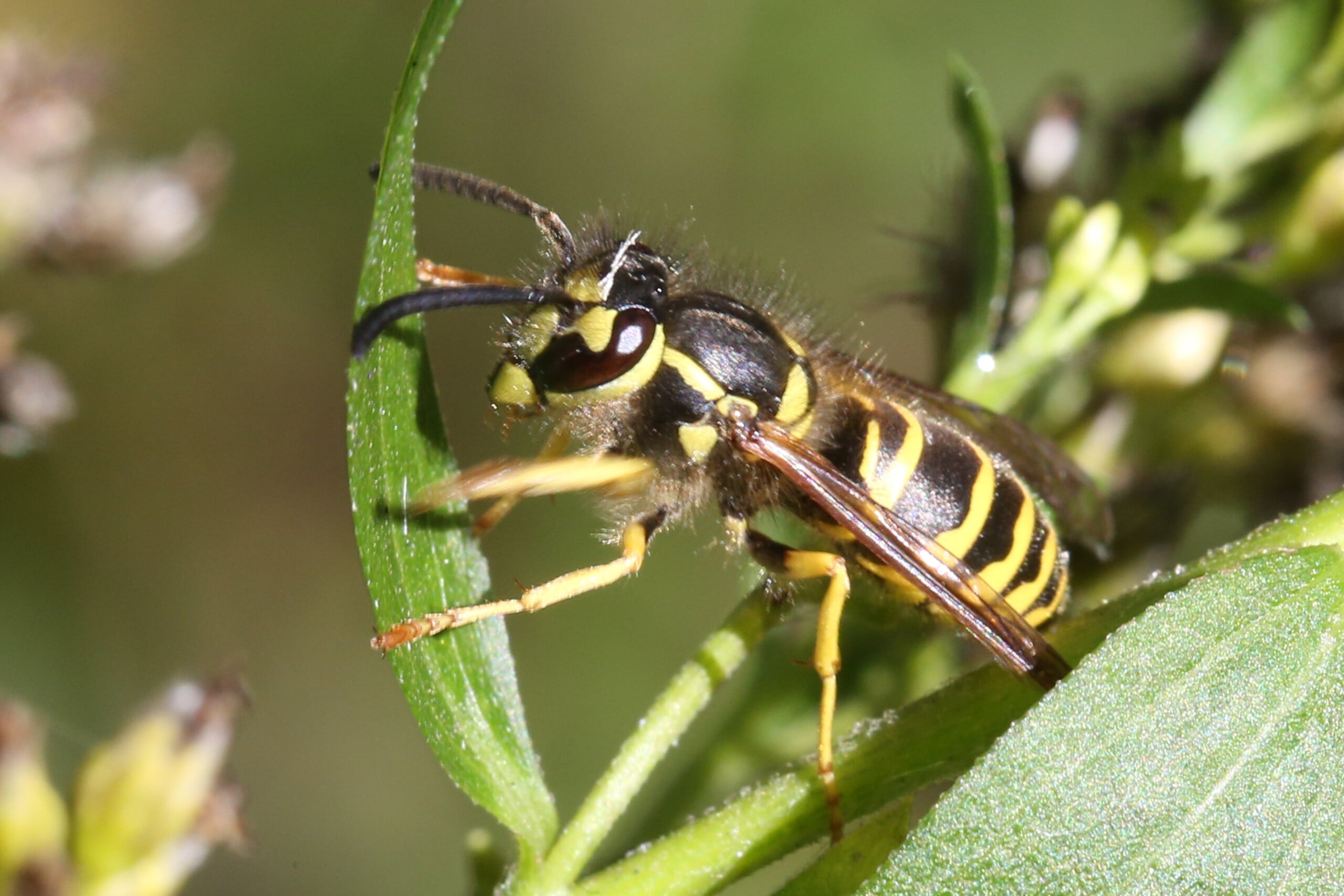
MILWAUKEE— If it seems like yellowjackets are suddenly everywhere, there’s a reason and the time of year has a lot to do with it.
Dr. Chelsea Cook, an assistant professor of biological sciences at Marquette University, says an early and relatively mild spring likely gave yellowjacket queens a head start. Queens typically spend the winter sheltered in places like leaf litter beneath the snow before emerging in the spring to begin building their nests. Without a late cold snap to interrupt that process, Dr. Cook says colonies had more time to grow.
Now, as summer winds down, those colonies are reaching their busiest period. Worker yellowjackets are spending much of their time collecting food to support the colony as it produces reproductive females and males.
That makes late-summer cookouts and other outdoor gatherings especially attractive to the insects. Dr. Cook says yellowjackets are drawn to sugary drinks, meat and fermenting or decaying foods.
“They are, this time of year, really queued in on protein,” Dr. Cook said. “So they’ll go after your steak, they’ll go after your burger. And the third thing is anything that’s fermenting, because that signals to them they’re actually decomposers. So part of what they, are interested in and want to eat are decaying apples, decaying fruit, decaying vegetable matter, and decaying protein matter.”
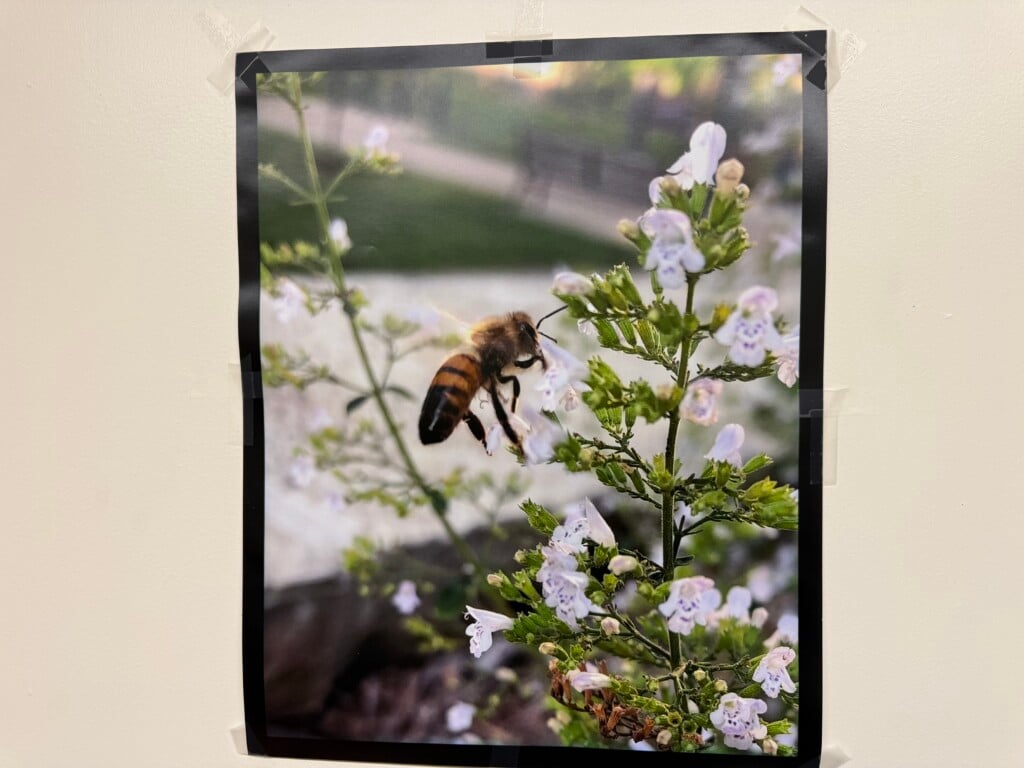
Dr. Cook says yellowjackets are attracted to all those types of foods, and that’s why people may notice more of them around garbage cans, outdoor meals and drinks, especially during late summer when the insects are at peak activity.
Despite their reputation, Dr. Cook says yellowjackets aren’t necessarily looking to sting people. They’re more likely to become more defensive when they feel threatened, particularly when someone gets close to a nest.
“I never want to advocate for the killing or harming of insects, but if you have a yellow jacket nest near your home and you’re being bothered, or your kids are being bothered, or your dogs are being bothered, then I give you full permission to call an exterminator,” Dr. Cook said. “Don’t handle it yourself because it can get messy and dangerous really fast. Call an exterminator and get rid of them.”
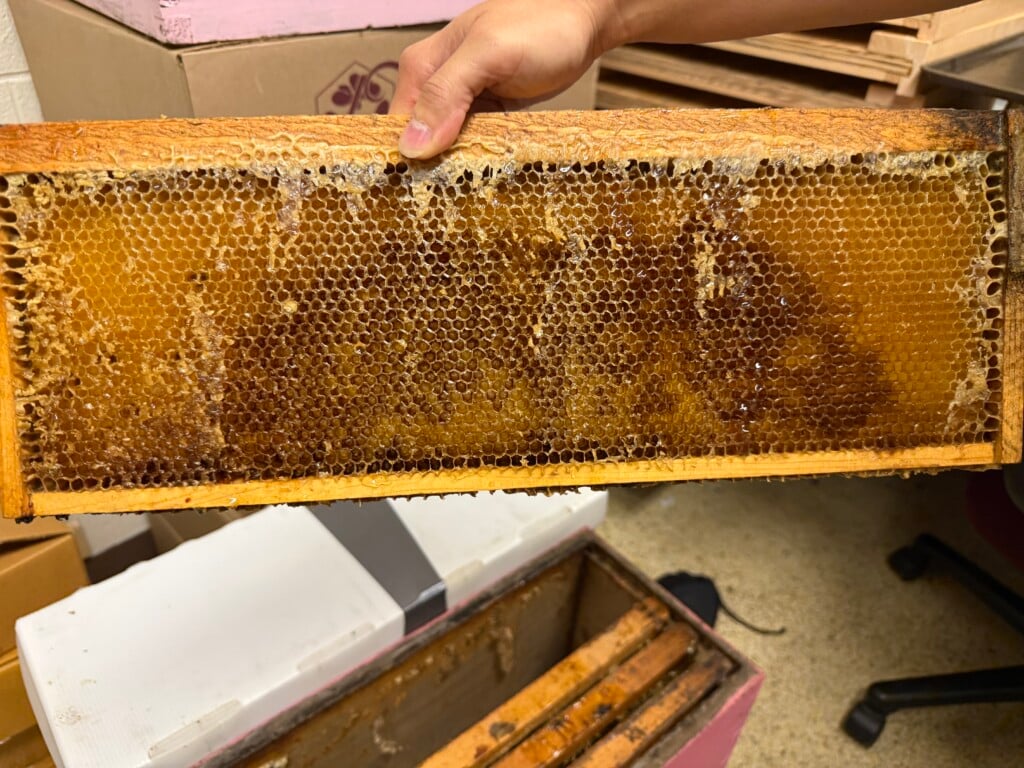
Many yellowjacket nests are built underground, which can make them difficult to spot. Dr. Cook says mowing the lawn, making noise or creating vibrations near a nest can disturb the colony and lead to defensive behavior.
Yellowjackets may be a nuisance, but Dr. Cook says htye also serve an importatn purpoise in the ecosystem. They help break down organiz material by feeding on things like animal carcasses and rotting fruit, and they also act as incidental pollinators.
“They’re incredibly important to the ecosystem. I mentioned that. They are decomposers. So they are moving nutrients through the landscape,” Dr. Cook said. “When they eat, let’s say a carcass on the side of the road, they’re getting rid of that for us. When they’re eating, the rotting apples at the orchard, they’re getting rid of that for us. You’ll see them on flowers, you’ll see them collecting pollen, which is a protein source. So they’re kind of incidental pollinators as well.”
Their numbers should eventually start to drop as temperatures cool. But Dr. Cook says yellowjackets can remain active for several more weeks before a hard frost brings their season to an end.
“The more warm weather we have, the more yellow jackets we’re gonna see,” she said. “They only exist until the first hard frost. So we probably have a couple of months until that happens.”