





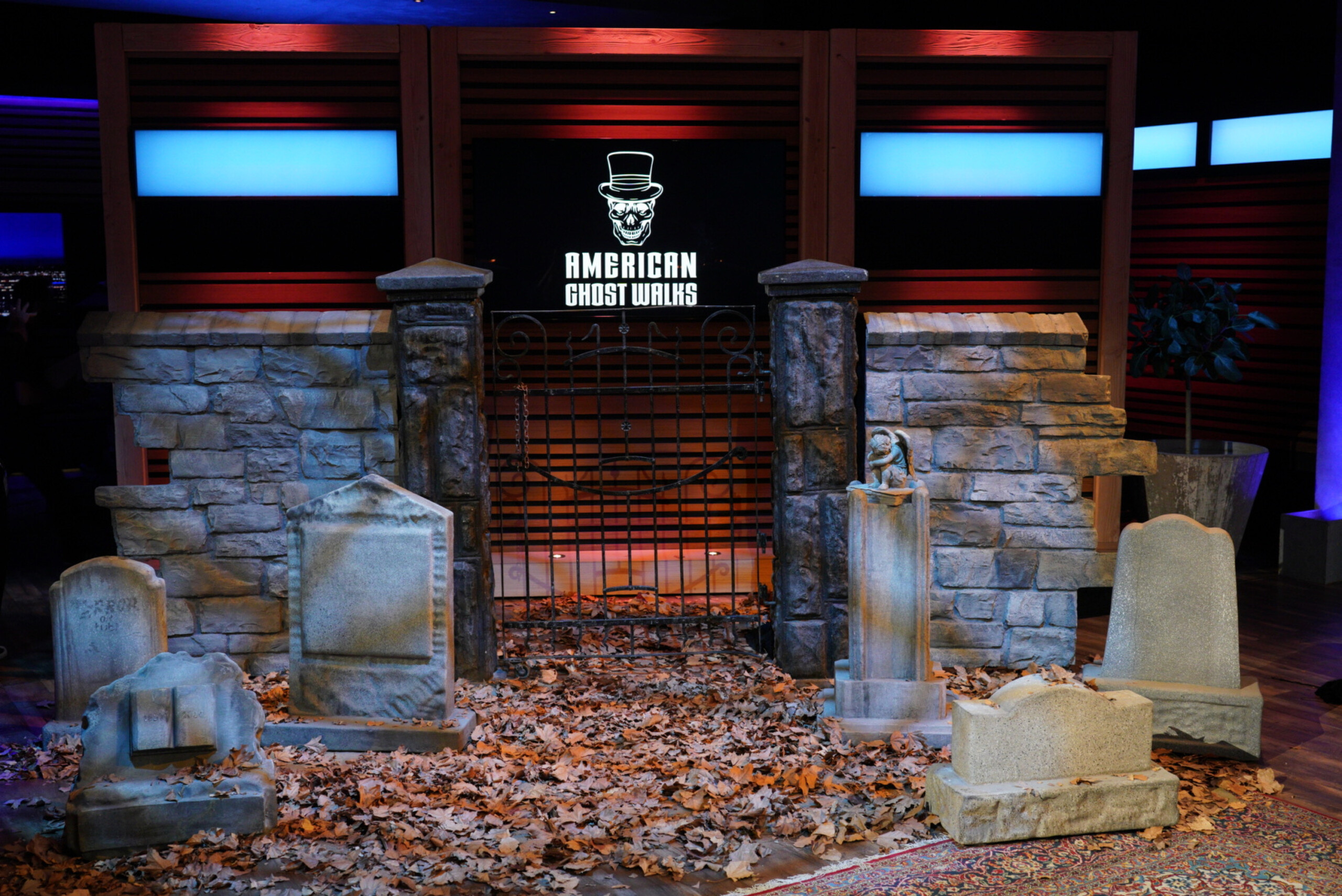
A good ghost story is really a history lesson, and one Milwaukee historian is digging past the shadows to unearth the forgotten people and tragic events that still haunt the city.
MILWAUKEE — The best ghost stories aren’t just about things that go bump in the night; they’re about the people and events we’ve forgotten. For historian and tour developer for American Ghost Walks, Allison Jornlin, finding a ghost story is less about the chills and more about unearthing lost history in places like Milwaukee.
“And that that’s one of the reasons why I do what I do, and one of the ways that people have remembered others, the dearly departed, is through ghost stories,” says Jornlin.
Her research goes beyond sensational headlines. She digs into old newspapers, library books, and archives—turning over every stone to find the truth behind the haunting. She sees the places she researches as brimming with palpable history. Take the Irish Cultural and Heritage Center, a building that once hosted figures like Martin Luther King Jr. in 1957 and Helen Keller in 1914.
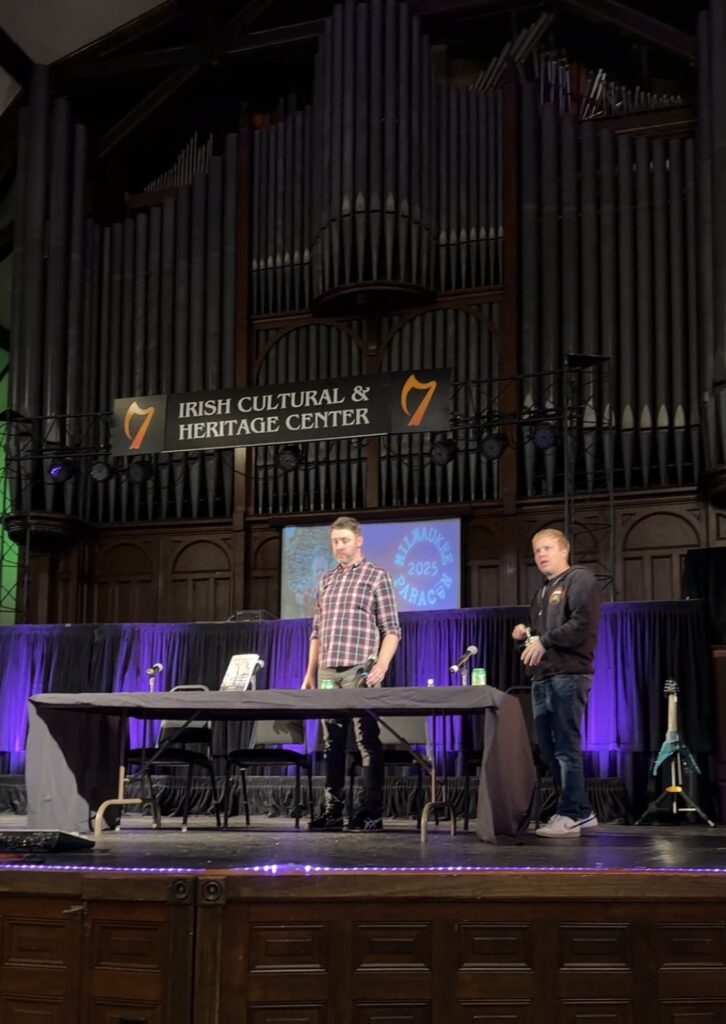
Jornlin explains, “I started to research the history of the building and found a lot of articles in the the old Milwaukee Journal, Old Milwaukee Sentinel about the place. That, to me, I know that’s just the history part, but but to me that really brought the building alive. Especially in the case of Doctor King, you know, I could feel his resonance as I read those words that he spoke to the sold out congregation about the Montgomery bus boycott. So it really brought history alive for me.”
She insists that the history must be authentic, focusing on verifiable events, even when they’re tragic.
“It’s important that we know about the past, like the Lady Elgin disaster in 1860, for example, and the Newhall House fire of 1883, that we still talk about these tragedies that shape Milwaukee history. We don’t forget about them,” says Jornlin.
Not all of her discoveries are from the 19th century. One of the more compelling stories she’s uncovered revolves around the Milwaukee Public Museum and its former director, Dr. Stephen Borhegyi, who died in a car crash in 1969.
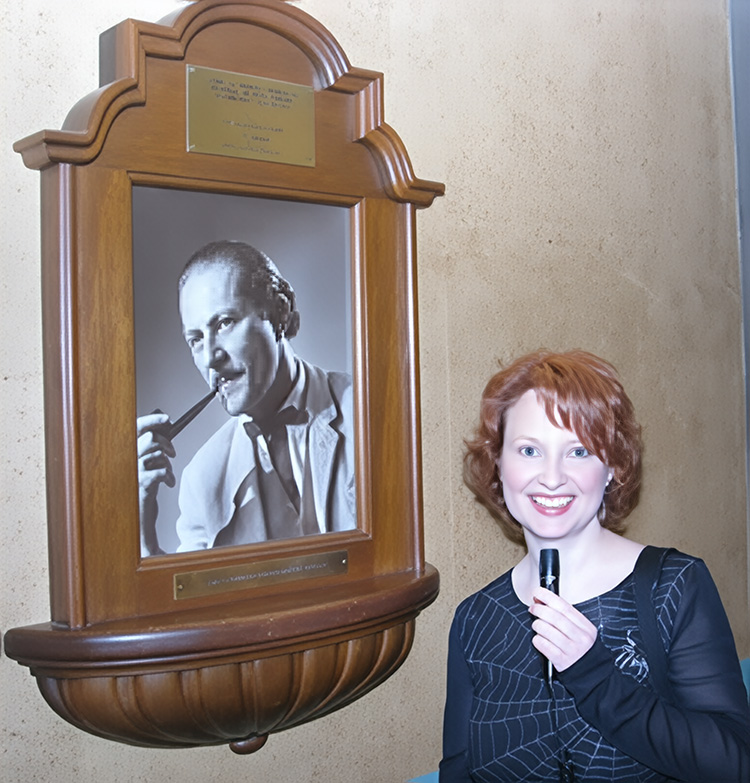
Jonrlin explains, “People at the museum really felt people at the museum really felt that loss of Dr. Borhegyi. But they didn’t have to wait long until strange things started to happen. Where the elevator, for example, instead of defaulting to the first floor, the elevator would oftentimes stop at the 3rd floor or the 4th floor, even though no one had pushed a button.”
The 3rd and 4th floors housed his collections and office. But a chilling experience was shared by a curator.
Jornlin says, “She had been walking down the hallway on the third floor, just past the shrunken heads. And she was stopped in her tracks by this freezing pressure that pressed through her her body. A colleague said, ‘oh, that that’s just how Doctor Borhegyi likes to say hello.’ “
Ultimately, for Allison, confronting the ghostly is no different than meeting the living.
She says, “I think we may carry on after we die and just like people we meet on the street every day, it’s rare that we find someone malevolent. Most living people are very kind, and I think most ghosts are very kind because they’re just deceased people.”
These are just a few of the authentic stories of the community; the histories we can’t afford to let fade.
Fancy yourself a historian or even ghost aficionado? American Ghost Walks does tours all over, not just Milwaukee! Check them out here.