






MILWAUKEE– As three out of four proposed data centers continue construction in Wisconsin, one University of Wisconsin- Milwaukee professor says information on water usage from these centers has been inaccessible.
A planned Microsoft AI data center in Racine county would use nearly 3 million gallons of water next year. Professor Melissa Scanlan for the UWM School of Freshwater Sciences says not enough is known about how that water will be used.
“The big problem with these data centers moving to the Great Lakes is that the public only sees fragments of the bigger picture. We keep hearing about data centers cutting deals with communities to set up shop there, but local governments and the public are inexperienced players in this power dynamic,” said Scanlan. “How many straws that are going into the Great Lakes over the next decade for data centers and their power plants in the four states surrounding Lake Michigan, that is the holistic view that is needed and we need a governmental body to review the entire regional demands.”
Scanlan warns that data centers set up in the region are usually plugged to local municipal water supplies.
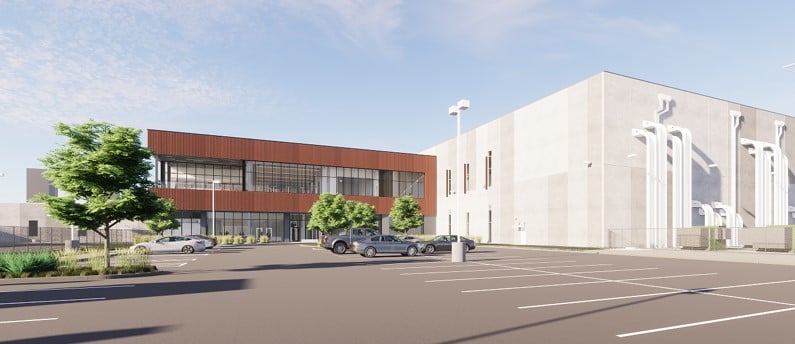
Excessive water usage from data centers like those built by Meta in Newton County, Georgia have left nearby homes with a limited amount of water available for them to use, but the results of centers near bodies of water like Lake Michigan could yield different results. Currently, Microsoft is proposing an AI data center in Caledonia.
Still, Scanlan says communities and states should be vigilant as more Silicon Valley companies eye the region to build their own data centers.
“What we need is governmental agency that is viewing the big picture for the state to see what all of these water requests are coming from these data centers and to disclose the amount of water and electricity that will be needed on a statewide basis,” said Scanlan. “What that means for every average household, user of water and electricity in the state and for the ability of the public to actually be informed and make good decisions about what type of corporations they want to be hosting in the state.”
Scanlan says more data will be able to be studied once these centers go online.
In a statement sent to WTMJ, Microsoft says that quote:
While we are early in the process, when Microsoft joins a community, we make a
pledge: to contribute to a sustainable future, advance prosperity and well-being, and
operate responsibly as a good neighbor. As a result, there are a few specifics we’d like
to address:
- Microsoft’s goal is that we are responsible for all of the costs of energy and new
related infrastructure to serve our datacenter operations.- We’re working with We Energies to pay our fair share as a Very Large Customer —
ensuring Microsoft protects fellow ratepayers and supports grid reliability.- We will match every kilowatt hour we consume that comes from a fossil fuel
source one-for-one with carbon-free energy we put back onto the grid. This
includes a new 250 MW solar project in Portage County that is under construction
to support this commitment.
The first AI data center in Mount Pleasant begins operations in 2026.