









MILWAUKEE, Wis. – The Milwaukee streetcar faces an uncertain future amid consistent maintenance issues, an unclear path towards funding expansion and questions over how to make the system profitable.
Additionally, the position of city streetcar system manager was vacant for months following the resignation of Andrew Davis-Lockward in October of 2024 which city records note was “in lieu of discharge”,” according to city records”.
That position has now been filled, with the city electing to hire an outside name with a unique background.
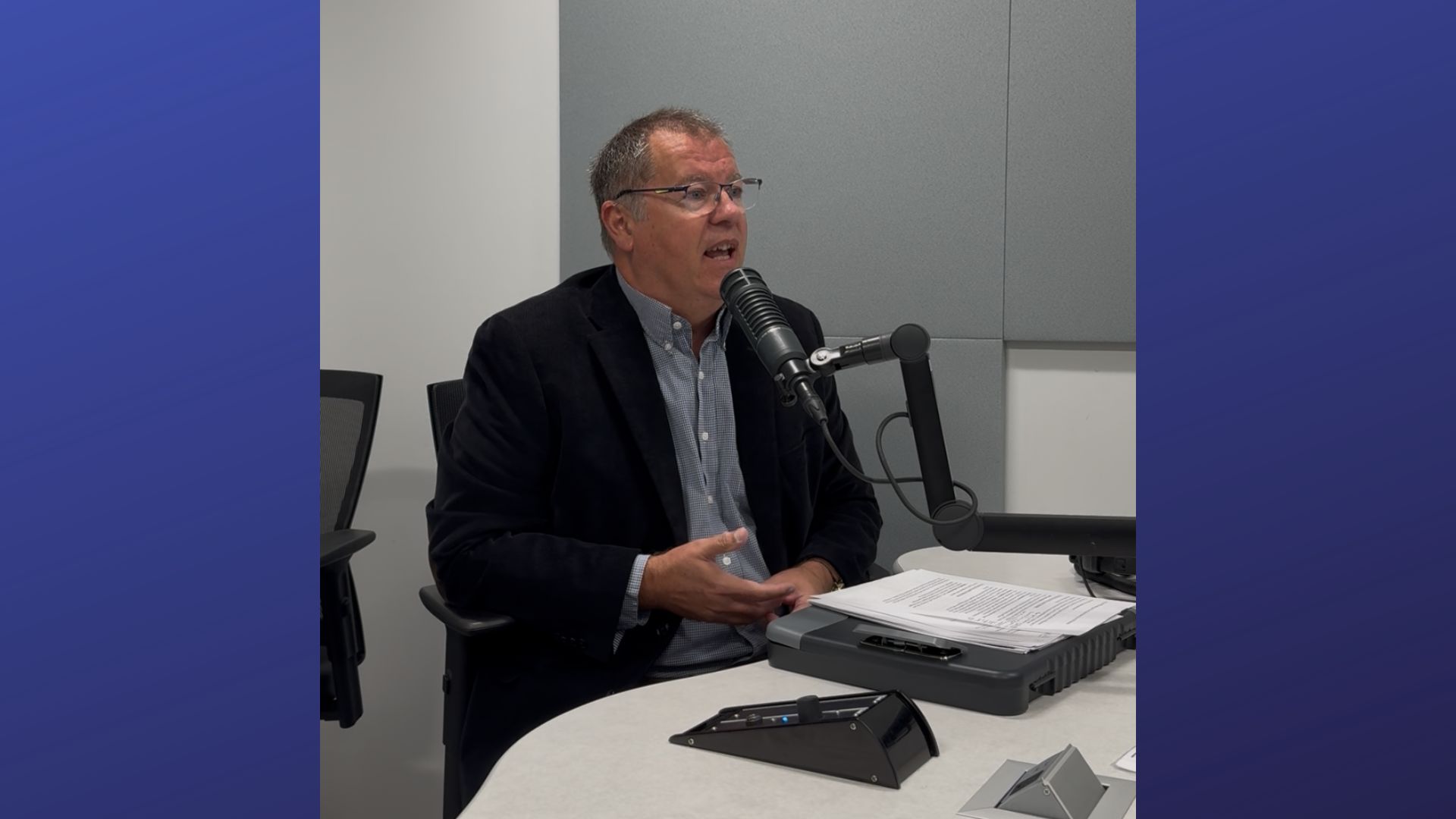
James Vineau, a dual US-French citizen who last worked as senior director of transit operations and maintenance for RAPT Dev, accepted the job in June, which he tells WTMJ is also when he first set foot in the city who’s streetcar operations he will now lead.
“When they advertised for this position, I was thinking ‘that’s where I would like to live and continue this project’,” said Vineau in his first public comments since he was hired. Vineau will earn between $116,493 and $127,413 annually.
Vineau grew up in the suburbs of the central France city of Tours, which he says helped instill from a young age his passion for growing public transportation access from the exurbs to the center of cities.
“I was always in the suburbs using public transportation because we were from a poor family. And I know how it is important to have a reliable system,” says Vineau.
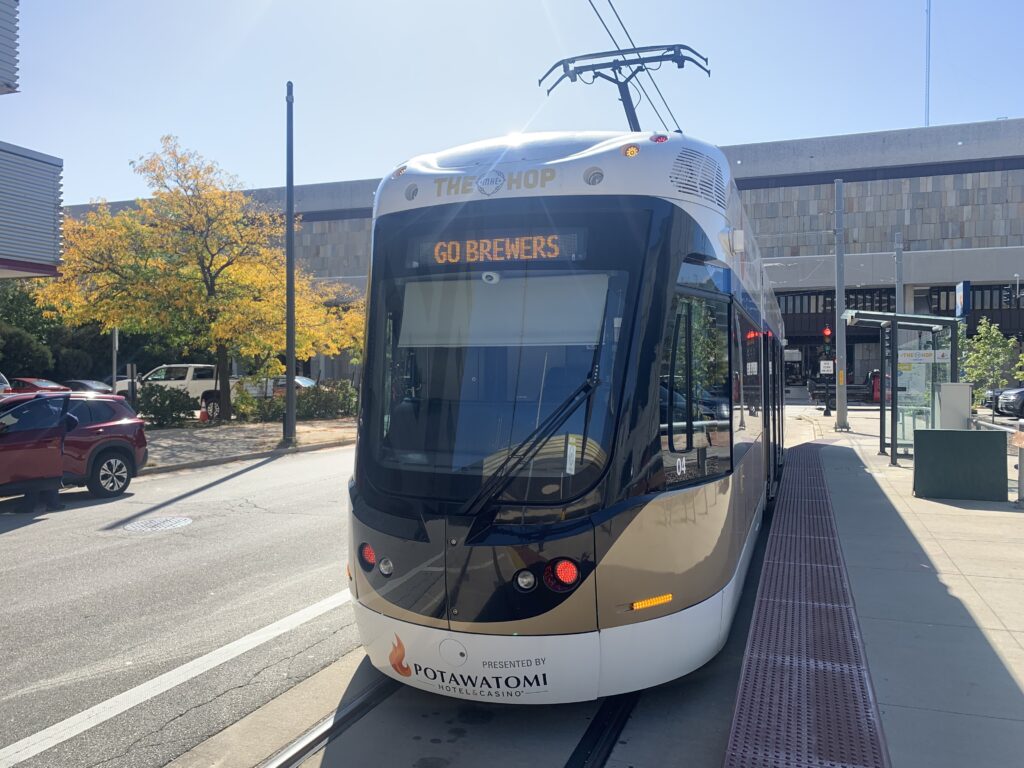
That experience will come in handy with The HOP; the system regularly has operated on limited service or been paused entirely due to mechanical issues related to both switch malfunctions and degrading wheels. A Wisconsin Department of Transportation report from September of 2024 revealed “significant deformation” from wear on the wheels of multiple streetcars.
Perhaps what made Vineau stand out from his competition was his work helping to build a light rail network from the ground up ahead of the 2022 FIFA World Cup in Doha, Qatar. The Lusail Tram now serves the nation’s capitol city of nearly 1.2 million people along a roughly 10 mile stretch of rail.
“We completed this streetcar from scratch,” said Vineau, adding he and his partners navigated local opposition to the line even more against transit than opponents of The HOP in Milwaukee. “It was more complicated than in a country like the U.S.” said Vineau; the line was mandated under the nation’s ruling elite as part of “National Vision 2030”.
Streetcar ridership has dipped in each of month of 2025 compared to last year, after years of ridership increases following the COVID-19 pandemic. There were 532,460 total rides in 2024, equating to an average of 1,454 riders per day across the two lines serving the city.
Vineau will also be tasked with finding ways to make the streetcar a profitable venture for the city; the 2025 city budget includes $5,723,109 for streetcar operations compared to an anticipated revenue of around $1.7 million. Previous operating gaps have been covered by the city’s transportation fund as well as American Rescue Plan Act funding, but 2024 was the final year ARPA funds would be allocated to the streetcar. The transportation fund primarily consists of revenue received from parking citations across the city.
As part of 2023’s Wisconsin Act 12, the City of Milwaukee cannot use “moneys raised by levying taxes for developing, operating, or maintaining” the streetcar.
As far as needing to play politics to accomplish the HOP’s long-term goals for the future, Vineau says he’ll do whatever it takes to get the job done.
“Never give up. This is my belief, never give up when we have a project like this,” says Vineau.
VIEW PREVIOUS REPORTER’S NOTEBOOK EXCLUSIVES: