










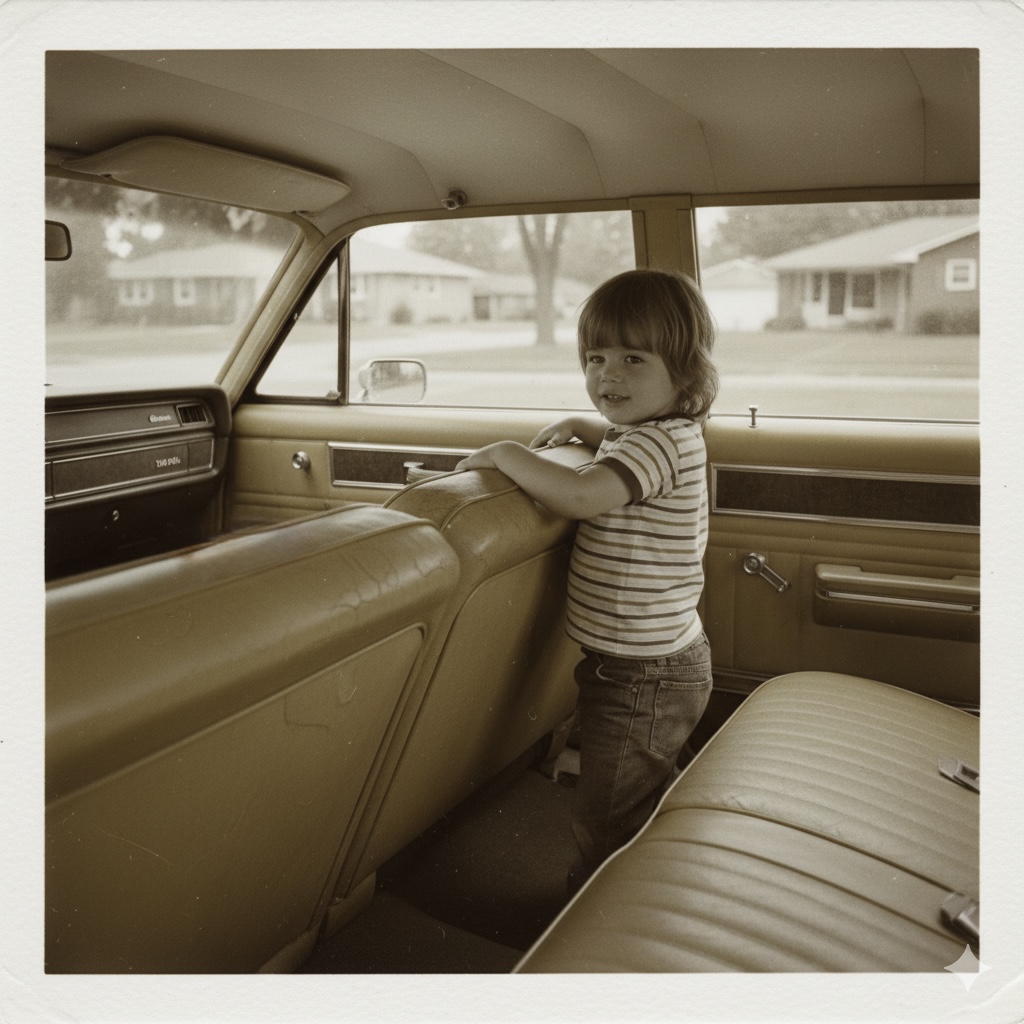
MILWAUKEE– I remember as a kid, I’d be in the back of my parents’ car, standing up and just enjoying the ride. (How did I remain alive?!) It’s a habit we can’t even imagine today, and for good reason. With reckless driving, speeding and just plain higher speeds than back then in the late 1900’s, the danger is real.
Highway Safety Specialist with the National Highway Traffic Safety Administration, Laura Dunn, tells me that the very first child passenger safety law was enacted in the late 1970s, and that’s when things really started to take off.
“The first child passenger safety law happened, I want to say in 1975 in that era, and regulation started in the late 70s and early 80s. So there has been kind of a fast transition with child passenger safety and it went from states not really having any laws regarding child passenger safety to by 1985 every state has a child passenger safety law to this day,” explains Dunn.
It’s an incredible transformation in a short period of time.
Now, once you have your child seat, there’s the big question of where to put it. The back seat is a no-brainer, but is there a preference for which side? According to Laura, not really.
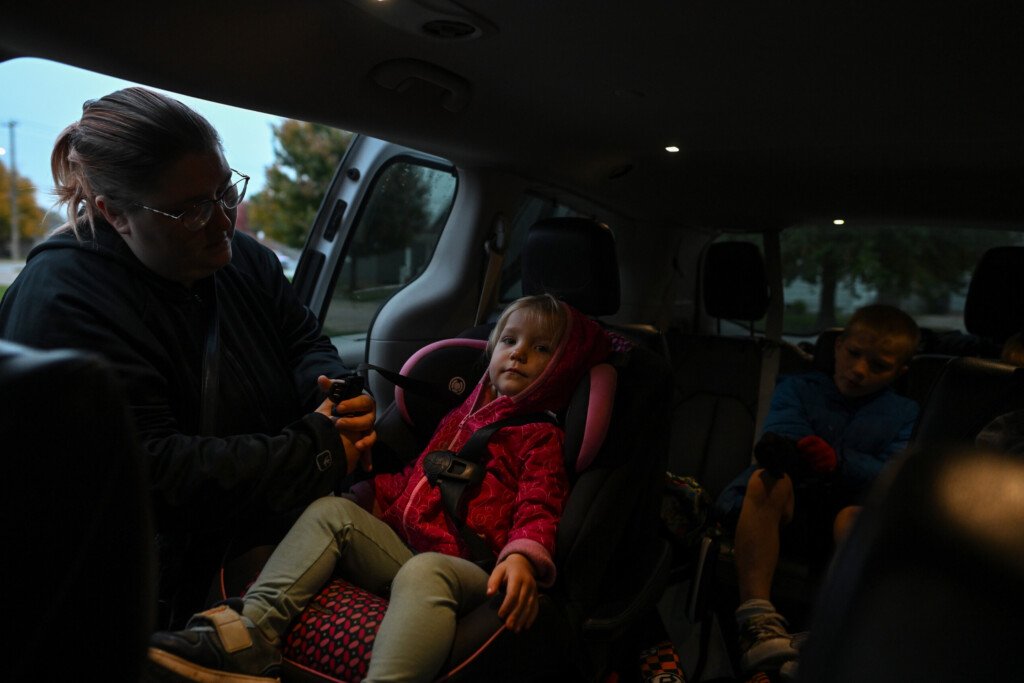
“You know, there isn’t a preference, just that kids are safest if they’re in the back seat and they’re buckled up. I would say though that if parents park on the street a lot… some parents that do that prefer to put their car seat on the passenger side in the back seat. So they’re not like in the street messing around with car seats if you don’t have to.”
That makes a lot of sense, especially in busy city streets. And Laura stressed that the backseat is the safest place for all kids under the age of 13.
And when it comes to the biggest mistakes parents make with car seats, the most common is a loose harness. Laura says you can check if it’s tight enough by trying to pinch the webbing at the shoulder. If you can pinch it, it’s not tight enough.
“Another common one for forward facing car seats is not using the tether… it prevents that car seat from moving forward in a crash and helps prevent head injury for your kids. So really important. Check your car seat owner’s manual and your vehicle owner’s manual will help you figure out where to put that,” says Laura.
A great reminder to read the manual! Yeah, I know, nobody wants to read all that, and if this all feels overwhelming, Laura says you don’t have to figure it out alone.
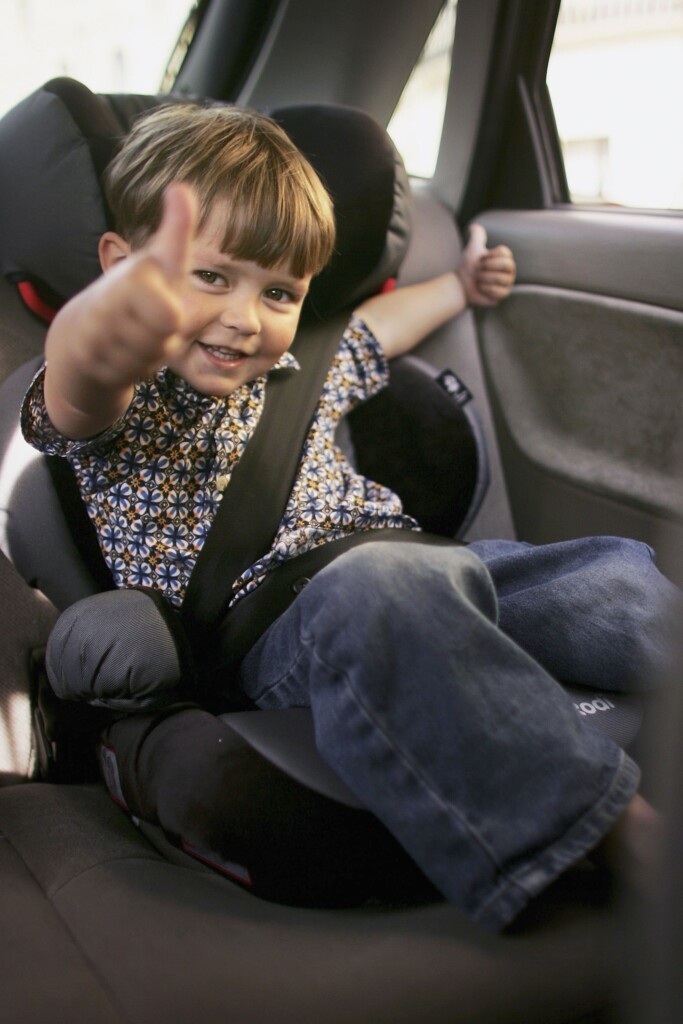
“I really do want to encourage parents that if you have any questions or you’re having trouble? Get in touch with a certified child passenger safety technician in your community that can give you free one-on-one help with your car seat.”
These certified technicians are often at your local fire station, police department, or even children’s hospitals. With Child Passenger Safety Week happening now, there’s no better time to get your seat checked. The week culminates in National Seat Check Day this Saturday, where check events are happening all over.
Finally, we touched on a question I hear all the time: Can you buy a used car seat at a garage sale? The answer is “maybe.”
“You can use a used car seat, but there are some things that you should make sure that are kind of in order before you do that. It’s important get a used seat that you know the history of. You know that it hasn’t been in a crash. Unfortunately, the issue with used car seats at garage sales or thrift places, no one can verify if it was in a crash or not, and unfortunately there can be internal damage to the shell of that car seat that you can’t see with the naked eye.”
It’s also crucial to make sure the car seat is not expired. You can often find the expiration date stamped on the plastic.
For more information, you can find some great resources at NHTSA.GOV/Therightseat.
Yup, the days of standing up in the back seat are long gone, and that’s a good thing. Your kids are precious cargo- let’s buckle them in like they’re the fragile gifts they are.