
Politics increasingly shapes how Americans talk, work and interact with one another. But how should faith leaders respond when political disagreements enter their congregations and communities?
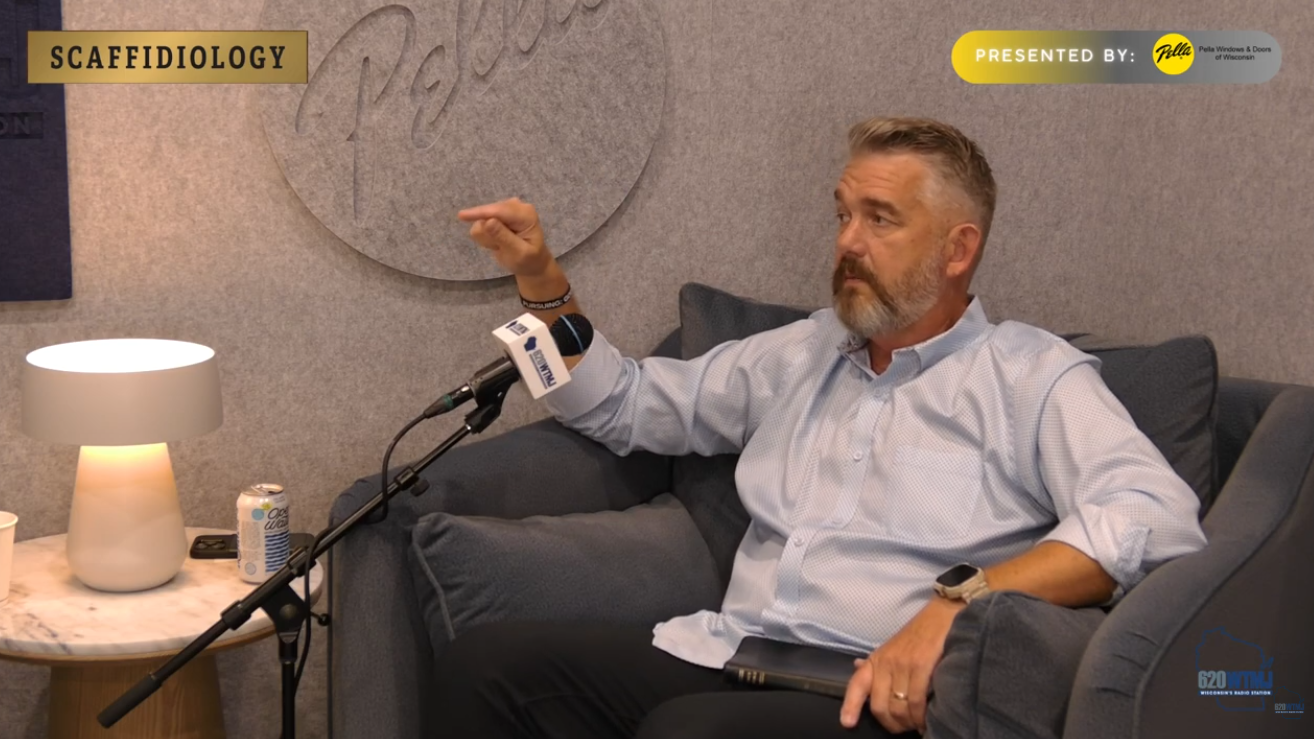
In A Matter of Faith, 620 WTMJ’s Steve Scaffidi explores that question with six religious leaders from different faith traditions. The conversations examine voting, civic responsibility, justice, immigration, religious freedom, political disagreement and the challenge of living out faith beyond a place of worship.
Father Tim Kitzke discusses the importance of avoiding partisan politics while still encouraging meaningful conversations across religious and political differences. He argues that faith communities should help people encounter one another rather than simply react to opposing viewpoints.
Father Kevin Carroll explains how faith leaders can address violence, intolerance and major political events without telling members of their congregations how to vote. He believes religious leaders should focus on the moral and ethical issues beneath political debates while encouraging people to participate in the civic process.
Minister Jalal focuses on justice, religious freedom and the responsibility to defend people whose rights are being violated. He also discusses political participation, immigration and why people should be judged by their character and actions—not simply by their political or religious labels.
Pastor Tim Peters describes voting as a responsibility tied to American citizenship and faith. He also shares how he handles political disagreements within his congregation and why respectful conversation can preserve relationships even when people strongly disagree.
Rabbi Jacob Herber discusses the challenge of speaking out on issues affecting the Jewish community while maintaining a congregation that includes people with a wide range of political beliefs. He also addresses religious freedom, antisemitism and the rise of political movements that affect faith communities.
Pastor Timo Rios considers how faith and public life have always been connected. He explains why the pulpit should not become a political platform while also emphasizing the importance of discussing poverty, immigration, civic responsibility and the treatment of others.
Across the conversations, the faith leaders offer different perspectives but return to several common themes: participate in public life, listen to people who disagree, defend human dignity and resist the temptation to let political labels define every relationship.
The Scaffidiology Podcast is available on the podcast page or wherever you get your podcasts.
You can check out more from Point Taken on the podcast page or on the YouTube playlist.
You can also subscribe to the Extra Points weekly newsletter for exclusive interviews, polls, book recommendations, and more.