

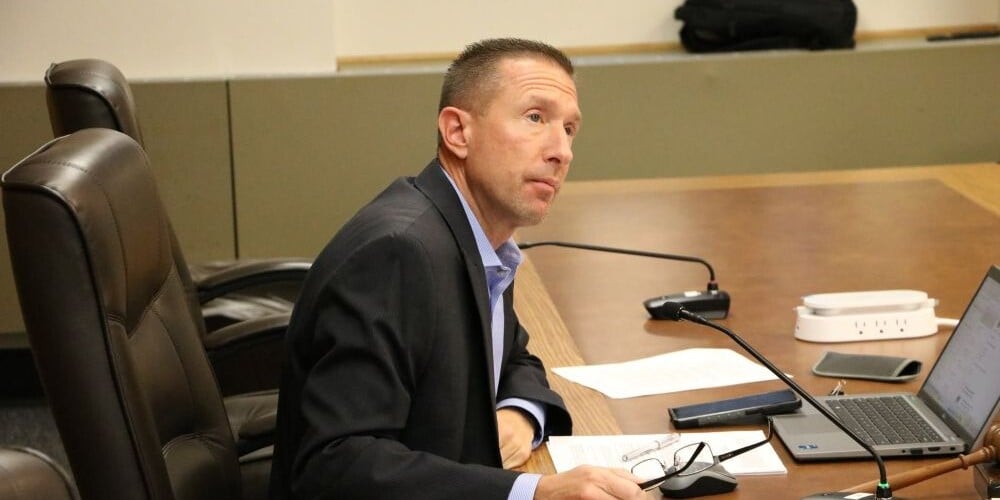
MILWAUKEE — Milwaukee County Supervisor Steve Taylor is calling for a financial review of how repealing Act 10 could affect the county’s budget, warning that restoring collective bargaining rights for public employees could lead to higher costs for taxpayers.
Taylor, who chairs the County Board’s Finance Committee, introduced a resolution requesting an assessment of the potential financial and operational impacts of changes to the 2011 law, which largely eliminated collective bargaining rights for public workers.
The proposal comes as Wisconsin Democrats prepare to take control of state government in January. Governor-elect David Crowley and incoming Democratic legislative leaders have expressed support for reversing Act 10. The Wisconsin Supreme Court has also agreed to hear a lawsuit brought by labor unions seeking to overturn the law.
“Repealing Act 10 would undermine that goal, leading to higher property taxes, layoffs, and service cuts,” Taylor said, referring to affordability concerns raised during the midterm election.
Taylor argues that additional spending on employee salaries and benefits could divert resources from other county priorities, including public transit, parks, mental health services and infrastructure improvements.
His resolution would direct Milwaukee County’s Office of Strategy, Budget and Performance to work with other county departments to examine potential increases in employee compensation and benefits. The review would also evaluate how state funding, property tax limits and other revenue sources could affect the county’s ability to cover additional costs.
“Repealing Act 10 will undoubtedly affect Milwaukee County’s finances as well as its taxpayers,” Taylor said. “This resolution seeks to determine exactly how much it will cost us.”
The proposal calls for an initial report to the County Board in March, followed by quarterly updates. It also expresses support for additional state funding to offset any increased costs resulting from changes to Act 10.
No final action has been taken on Taylor’s resolution, and the financial impact of a potential repeal remains uncertain.